Being a Summer Lecturer for CS 61A at UC Berkeley
In November 2024, I watched My Old Ass (2024), a coming-of-age comedy drama. Aside from being a hilarious and heartfelt movie that I highly recommend, one of the scenes has still stuck with me after all these years.
It’s a conversation between the main character, Elliott, and another character, Chad. Elliott tells Chad about how she’s sad about saying goodbye to her family and leaving their farm behind to start college:
Chad: Do you remember the last time you were a little kid and went to a friend’s house and just like, played pretend all day?
Elliott: I mean, I remember doing that a lot.
Chad: Yeah, but can you remember the very last time you ever did it?
Elliott shakes her head no.
Chad: Isn’t that sad? To think that there was a time we were just like, out riding bikes with our friends like imagining we were being chased by zombies. Covered in dirt and sweat, having the best time. And then we went home that night and put our bike in the garage and went to bed not realizing that was the last time we were ever gonna do that. But the thing about not saying goodbyes is that you also miss savoring when it might be last time you’ll ever get do that thing.
In the past 2 years, I’ve had many of my own “lasts”: The last day of an internship, the last day of undergrad, the last day of my master’s. 2 weeks ago was my last day in-person as a summer lecturer for CS 61A: The Structure and Interpretation of Computer Programs on Thursday, August 13, 2026.
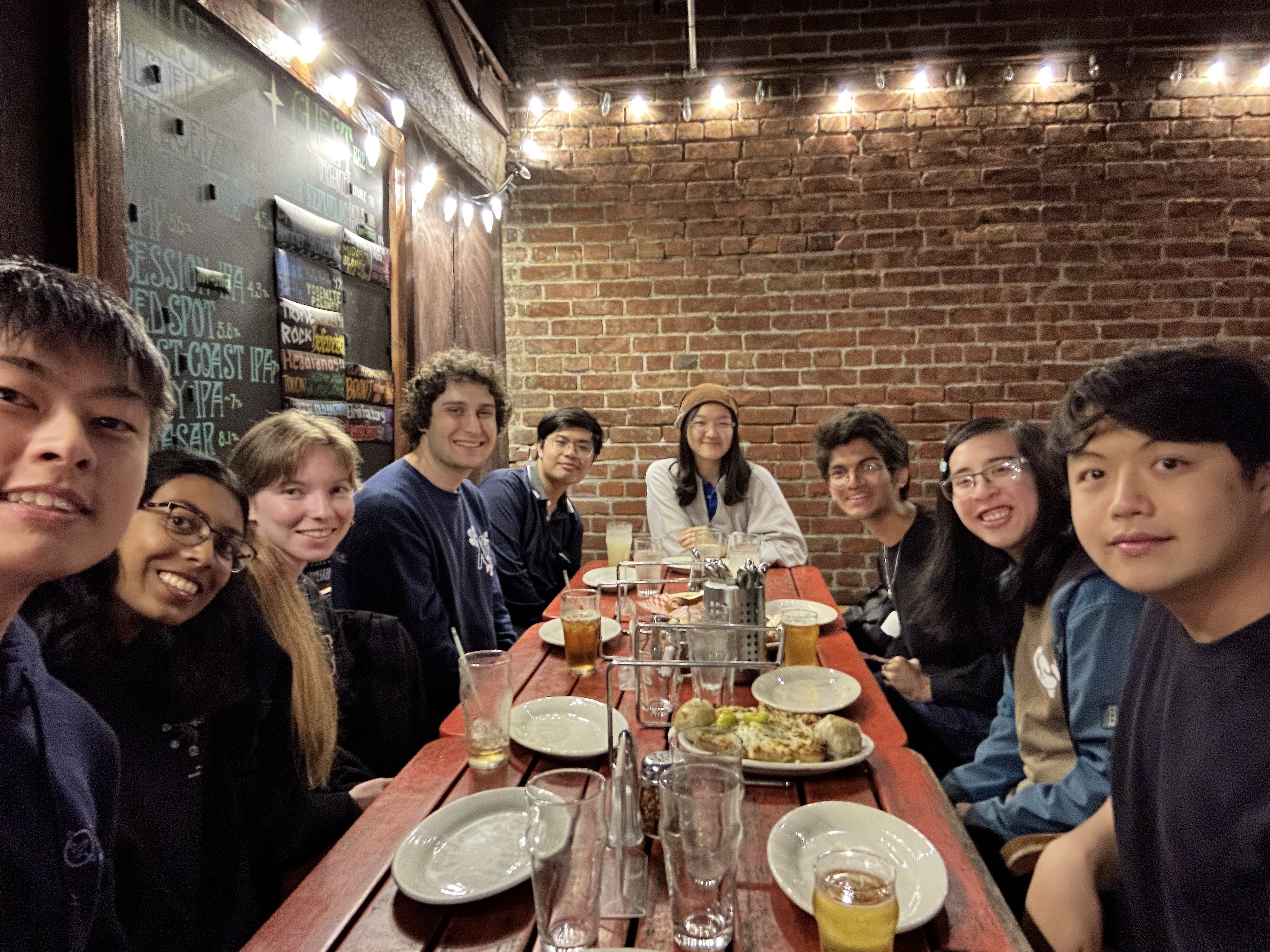
My last day was relatively chill, since at that point we’d already administered the final exam and finished grading it, and all that was left to do was publish final letter grades. I did some work in the new Gateway building, said my goodbyes to some 61A staff, got lunch with some friends at Mezzo, and ended the day with a celebratory dinner at Jupiter in Downtown Berkeley with some other 61A staff. (Any Berkeley student will tell you these were very quintessentially Berkeley things to do.)
The journey to lecturer
Like hundreds of CS and EECS students, CS 61A was the first computer science class I took at Berkeley and it has stayed near and dear to my heart. Despite being most students’ first Berkeley CS class, there is nothing particularly “introductory” about it: It’s more of a CS1.5 than a CS1 class, covering 3 programming languages (Python, Scheme, and SQL), recursion, and even some data structures (linked lists and trees). Up until this point, I had only taught classes I had never taken (it’s a long story), so teaching 61A and being an official instructor for the first time felt surreal and full circle.
In order to be a lecturer at Berkeley, you need to have a master’s degree, which is the main reason why I applied for Berkeley’s 5th Year MS in EECS program in the first place. The timing worked out quite nicely: The EECS department knew that they would need to hire someone new to teach CS 61A in Summer 2026 and applications were opened as early as Fall 2025. I applied during winter break (the application consisted of a teaching statement, cover letter, and references) and was interviewed in Spring 2026. It also helped that I took CS 302, a CS education/pedagogy course which greatly prepared me for summer instructing. I was officially hired a few weeks before the start of summer session C (when 61A would occur), and the ball rolled on from there.
The day-to-day job
As the sole instructor of the course, I was responsible for delivering all of the lectures (every day Monday - Thursday from 5-6:30 pm in Li Ka Shing 245) and supervising a course staff of 10 TAs and 10 tutors (many of whom were first-time course staff). Since I had more discretion now as a lecturer, I made several changes to how the course was structured after discussion with my head TA, Sriya Kalyan:
- Removed all assignment and attendance drops (replaced with excused absences if they emailed us with a valid reason beforehand), because of how fast-paced the summer is and how important each assignment and section is to students’ learning
- Added weekly quizzes (5 in all) through UC Berkeley’s computer-based testing facility (CBTF) and downweighted the number of points students received for completing assignments, since AI coding tools have made assignment completion a poor signal of students’ actual understanding
- Partnered with Oindree Chatterjee to pilot a new assignment reminder tool, Autoremind, for research purposes
- Partnered with Aaryan Mehta to pilot a new academic integrity tool, Provenance, during the Cats project (the second 61A project which teaches recursion)
- Wrote the midterm and final exams with the help of TAs and tutors who volunteered to do so (usually the instructor(s) write the entire exam themselves)
- Added an Exceptions II lecture which included not only exception handling in Python, but also software engineering topics like unit testing, test coverage, and debugging
- Delivered 2 special topics lectures: AI Coding Tools (with TA Amy Li) and Web Applications (with DATA 6 instructor and friend Abby Brooks-Ramirez)
Generally I think these changes were positive and will continue for Fall 2026 (for example,
quizzes will continue and Provenance will likely be used for all assignments now,
not just Cats). Removing drops did cause some stress and additional overhead for the admin TAs,
who now had to field hundreds of emails from students who needed to be excused from lab or discussion
for one reason or another. Provenance was also a bit hard to use and setup for some students, and we
ended up waiving the requirement to submit a “bundle” (a .zip file generated by the Provenance
VS Code extension) for certain students. We also ended up announcing an overall quiz grade adjustment
for all students, which was replacing their lowest quiz score with the average of the remaining 4 quizzes.
(This was especially helpful for students given that they struggled on Quiz 4 more than other quizzes.)
Staff were very enthusiastic about exam writing given how rare it is for 61A staff to get this chance,
and I was very happy to provide structure and mentorship to ensure high-quality exams.
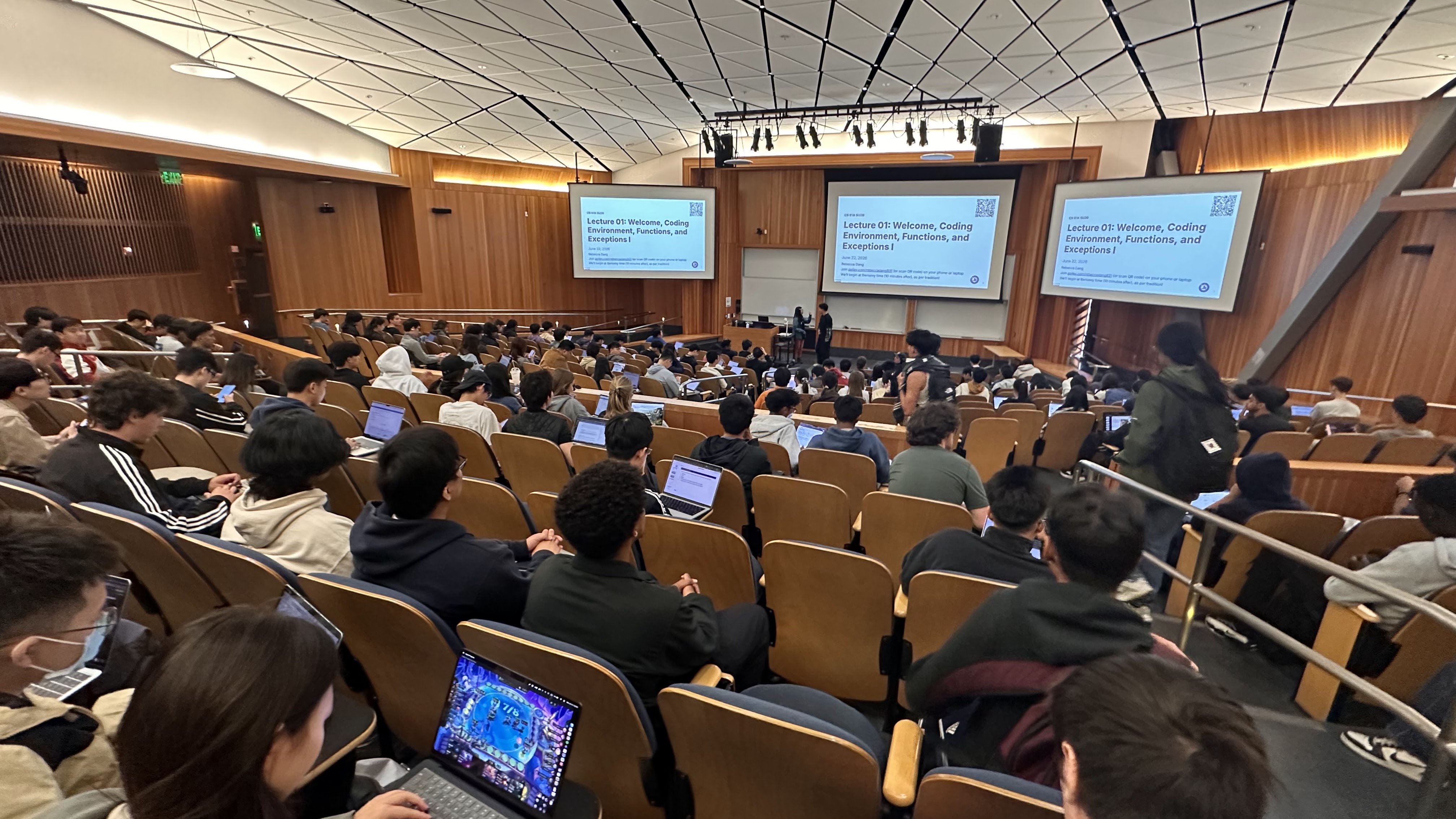
Outside of these changes, 61A ran the same way it has for the past decade or so: We spend most of the time teaching control, functions, higher-order functions, recursion, mutability, OOP, and basic data structures in Python, then learn some functional programming and how interpreters work in Scheme, and finally learn some declarative programming in SQL. I didn’t realize until 2/3 of the way through that this would be the last time 61A would be taught this way (more on that below).
I also didn’t realize how much time being a lecturer would be. I remember thinking to myself, Wow, I’m going to have so much free time to hang out with friends, actually have a workout schedule, and read some papers or novels. What actually ended up happening is I would live and breathe 61A from practically the moment I woke up to the moment I went to bed, with the exception of Fridays and weekends. (Even then, I ended up working a bit on the weekends.) Lecture prep consisted of watching Professor John DeNero’s YouTube lecture videos, deciding which parts I wanted to keep and which ones I wanted to add or put a spin on, making slides, and creating practice problems and demos. It took me anywhere from 3-6 hours to put together a single lecture, and this was for topics I had experience teaching (through DATA C88C). I still ended up with a bunch of typos, which was very embarrassing whenever I’d catch them while presenting the lecture.
Aside from lecture, I also:
- Attended weekly 61A staff meetings
- Attended weekly summer instructor meetings with Professors Dan Garcia and Michael Ball, the EECS summer session coordinators and my unofficial bosses. (My official boss was the CS division chair, Professor John Wawrzynek.)
- Hosted weekly instructor office hours for answering course-related questions and “tea hours” (an idea I stole from my MS advisor, Professor Lisa Yan) for answering all other questions (e.g. career- or research-related)
- Reviewed the draft questions (and their variants) for the weekly CBTF quizzes
- Wrote exam questions, reviewed other people’s problems, and finalized the exams overall
Up until this point, I had never been a TA during summer, so the 2x speed was quite relentless, especially from the standpoint of exam writing. Week 1 was basically a bust since we were getting set up, Week 2 we had our first CBTF quiz, and then by the end of Week 3 we needed to have the midterm exam ready and printed so that we could proctor in the beginning of Week 4. This is probably the main reason why the exam ended up being harder than it should have been, and we ended up giving everyone a free 10% point boost to get the mean to ~60%.
I say all of this as if being a summer instructor was a horrible experience, but actually it was a very fun, rewarding, and fulfilling job. I’ll talk more about the fun stuff next, but I also think it’s important to acknowledge the “not so fun” parts of being an instructor: Dealing with the bureaucracy involved in officially hiring course staff, handling academic misconduct, handling the logistics of the move from Soda Hall to the new Gateway building, worrying about my students’ physical and mental health, and commuting all the way from San Jose via BART in the last 2 weeks of summer session since my Berkeley lease ended on July 31 (shoutout to my parents and Baypass).
The fun stuff
Being a summer instructor was also super fun! Not only was everyone on course staff very competent at their jobs, but they were also wonderful, funny, and social people. I must admit I was a bit worried about “fitting in” given that I was somewhat of an outsider, but it was clear after the first staff meeting that we’d get along quite well.
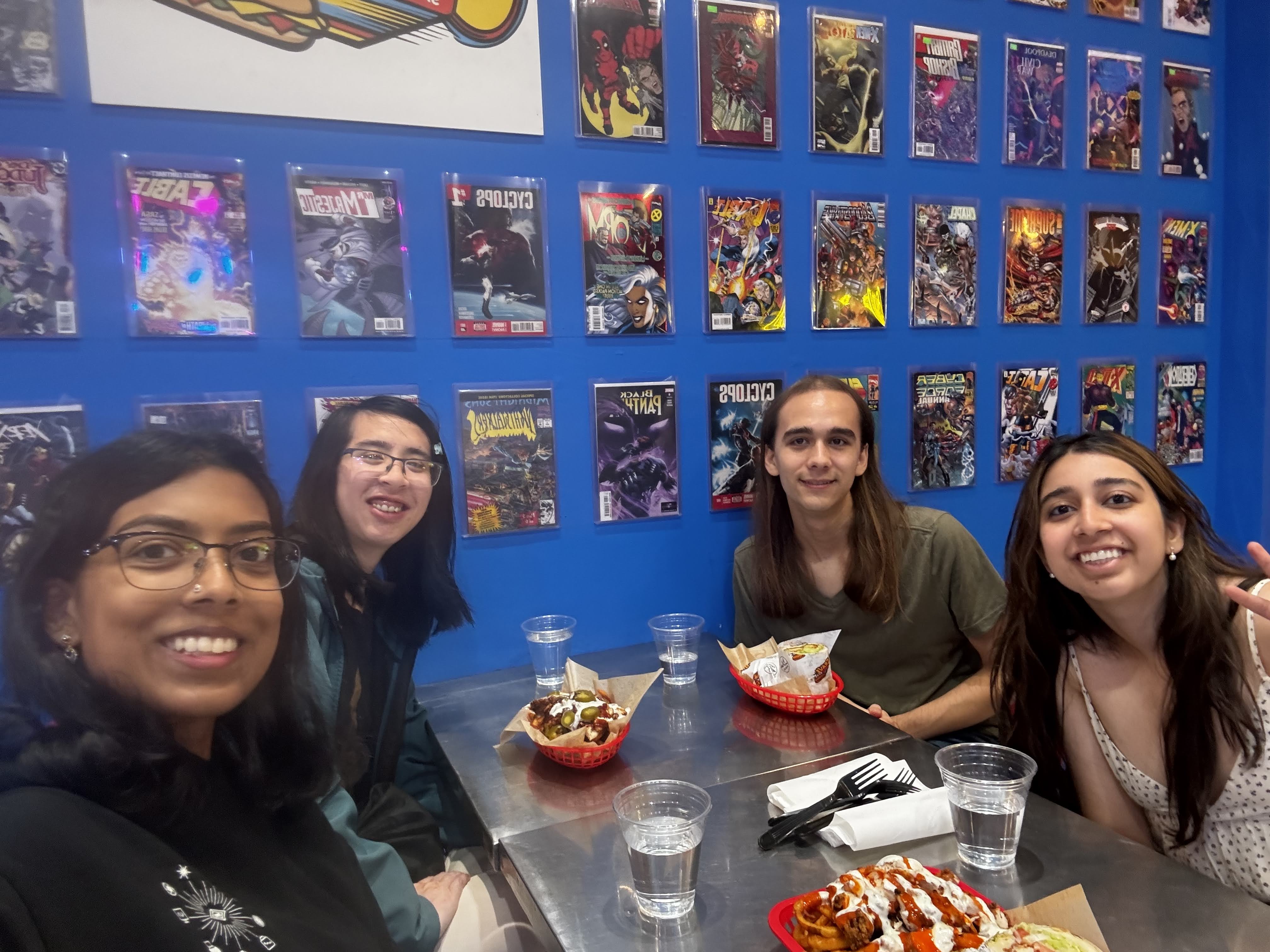
One of the TAs, Lavanya Shyamsundar, put together a “big-little” program, where first-time staff (littles) were grouped together with more senior staff (bigs). Each big-little group competed to complete the most social activities. Here’s a photo of my big-little group (shoutout Sriya Kalyan, Rabia Chadha, and Richard Padilla) when we got dinner at Crave Subs in Downtown Berkeley.
I decided to get an AMC Stubs A List subscription after the staff convinced me of the benefits, and I watched more movies in theaters than I ever have in my life this past summer: Backrooms, Supergirl, Toy Story 5, Disclosure Day, Obsession, The Odyssey (3 times, 2 of which were in IMAX 70mm), The Invite, Spider-Man: Brand New Day, and The End of Oak Street. One of my favorite, diabolical things we did together as a staff was go see The Odyssey at 6 AM at AMC Metreon 16, taking the BART from Downtown Berkeley to San Francisco at 5 AM.
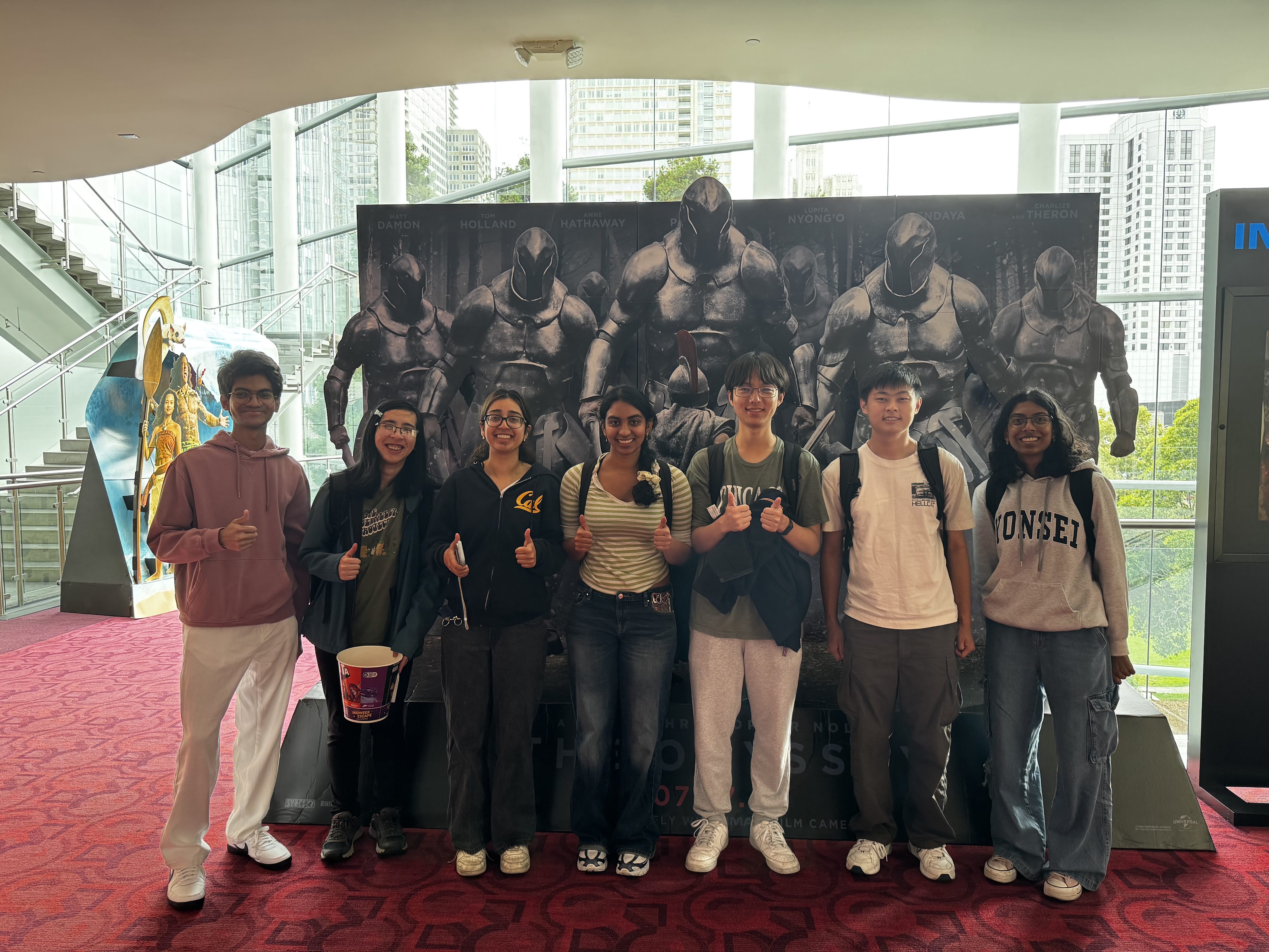
I also loved how silly 61A staff was. Many new 61A-nese terms, such as “fade fade fade,” “nuke,” “salutations,” and “#imsorry,” became part of my daily vernacular. During the AI Coding Tools special topics lecture, some of the staff came up with a hilarious skit about the perils of vibecoding in CS courses at Berkeley.
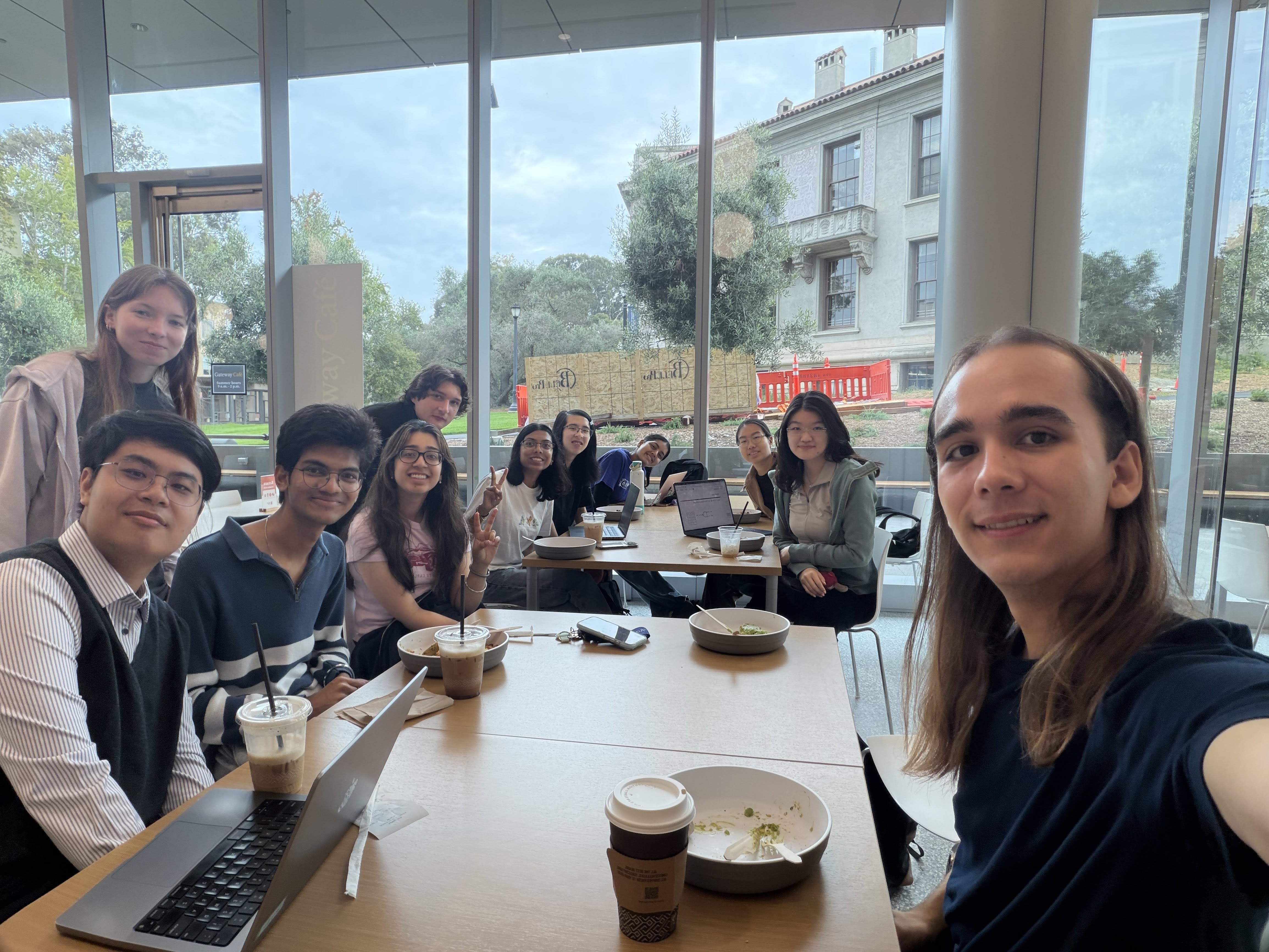
One big change that occurred over the summer was the move from Soda Hall (the old home of the EECS department) into the new Gateway building. The company that built the building also sent emails requesting volunteer photo models, and 61A staff often volunteered. Additionally, Cal Dining opened a new campus restaurant, the Gateway Cafe. Since we had a weekly staff breakfast before staff meetings on Mondays, we decided to crash their grand opening and were the very first customers!
On the weekends, another fun thing I did was learn how to drive (shoutout to my mom for teaching me). Hopefully I’ll pass my behind-the-wheel test in a few weeks!
Fun stats
Here’s some statistics about CS 61A I computed for the last lecture:
- We went from ~265 students to ~168 students by the end. A lot of students dropped in the beginning because it was announced late that all EECS summer courses would be in-person only this summer (in the past, there have been remote options). Even more students dropped after the midterm and final exams (in summer, students can drop quite late in the term, and I suspect a lot of students were concerned about their grade).
- Students completed 238 required problems across all assignments and exams
- Students collectively ran the OkPy autograder 136,662 times
- Our grading staff processed 451+ assignment extensions
- Our content and infra staff made 179 commits to the 61A monorepo
masterbranch - Staff sent 37,832+ Slack messages
- The course inbox received 1,663+ emails
Looking back and forward
Looking back at how the summer went, here are some miscellaneous reflections:
- Using PollEv was very useful for lecture interaction/engagement, and for encouraging students to discuss tricky problems with each other.
- It’s very hard to get the timing right for lecture. I tried to spend the first hour doing direct instruction and PollEv questions, and the last 30 minutes doing guided coding practice. Often what ended up happening was I would have to rush through the practice problem solutions.
- I didn’t realize until the end of the summer that the projector contrast was terrible, so even though I zoomed in and used the Dark High Contrast theme on VS Code, it was very hard to view the code whenever I did live coding. In the future, I’ll probably need to switch to Light Mode High Contrast (or hopefully be in a lecture hall with a better projector).
- A lot of the time I spent working as a lecturer were spent doing “first time teacher” things, such as creating my own slides, fixing typos, etc. If I ever teach 61A again, it will probably be much smoother sailing.
- I wonder how much of the feedback we received (e.g. about exam difficulty or course policies) was due to the fact that 61A is often students’ first Berkeley CS class and they haven’t yet adjusted their expectations to how college courses are. For example, a significant portion of our students were visiting students and high schoolers.
- I should have been clearer with staff from the beginning of the summer what the expectations were for rehiring and promotion, because there was a lot of anxiety toward the end about Fall 2026 staff hiring.
- Thanks to a suggestion from Lavanya, we implemented a peer feedback Google Form to give staff a formal, structured way to self-reflect and provide written feedback about the staff they worked. I’m hoping this will continue in the future to make the rehiring/promotion process more fair and transparent.
Toward the end of the summer, I had the privilege of working with Professors John DeNero and Kay Ousterhout, the CS 61A and DATA C88C instructors for Fall 2026, to provide feedback on the most significant curricular redesign of those courses since CS 61A transitioned from being taught only in Scheme to being taught in Python, Scheme, and SQL. Now the news is out: CS 61A will be replacing Scheme with a new functional programming language, Gleam. Instead of the Scheme Interpreter, the final project will be Animator, building an interpreter for a subset of the Gleam language and a web application that can render animations. 61A will explicitly teach more software engineering skills, including allowing the use of AI agents in parts of the Animator project. Additionally, the legacy custom course infrastructure that has served 61A and C88C for the past decade or so will be deprecated, in favor of light-weight, modern alternatives such as GitHub Pages, Jekyll, and uv. We discussed much of this together with the returning 61A TAs in a conference room in a part of the Gateway building not yet open to the public (as the photography crew that asked for volunteer photo models tried to take candid photos of us).
Thank you
Like Elliott and Chad say in My Old Ass, it’s rare to have the opportunity to know when you do something for the last time, say your goodbyes, and savor the moment. I’m so lucky and grateful to have had the chance to be a summer instructor at my alma mater, let alone be the instructor during such a pivotal moment in the history of CS 61A. I couldn’t have accomplished everything I did this summer without the support of all of these people:
- My parents
- Berkeley EECS faculty (especially Professors Dan Garcia, Michael Ball, Justin Yokota, and Peyrin Kao) and staff (especially Faye Chou, Hamilton Chang, Glenna Anton, and Karla Thao) who have helped in various ways behind the scenes
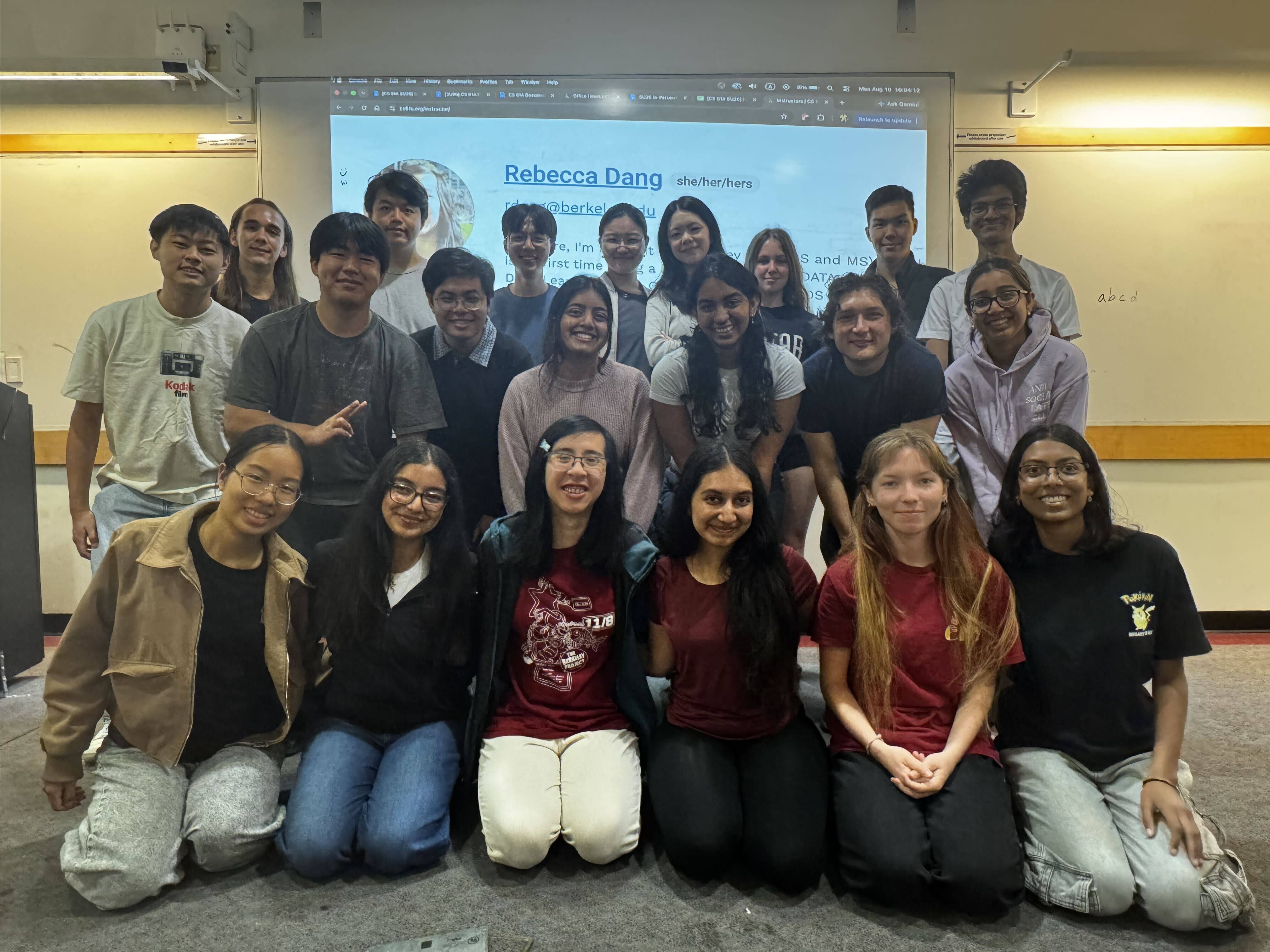
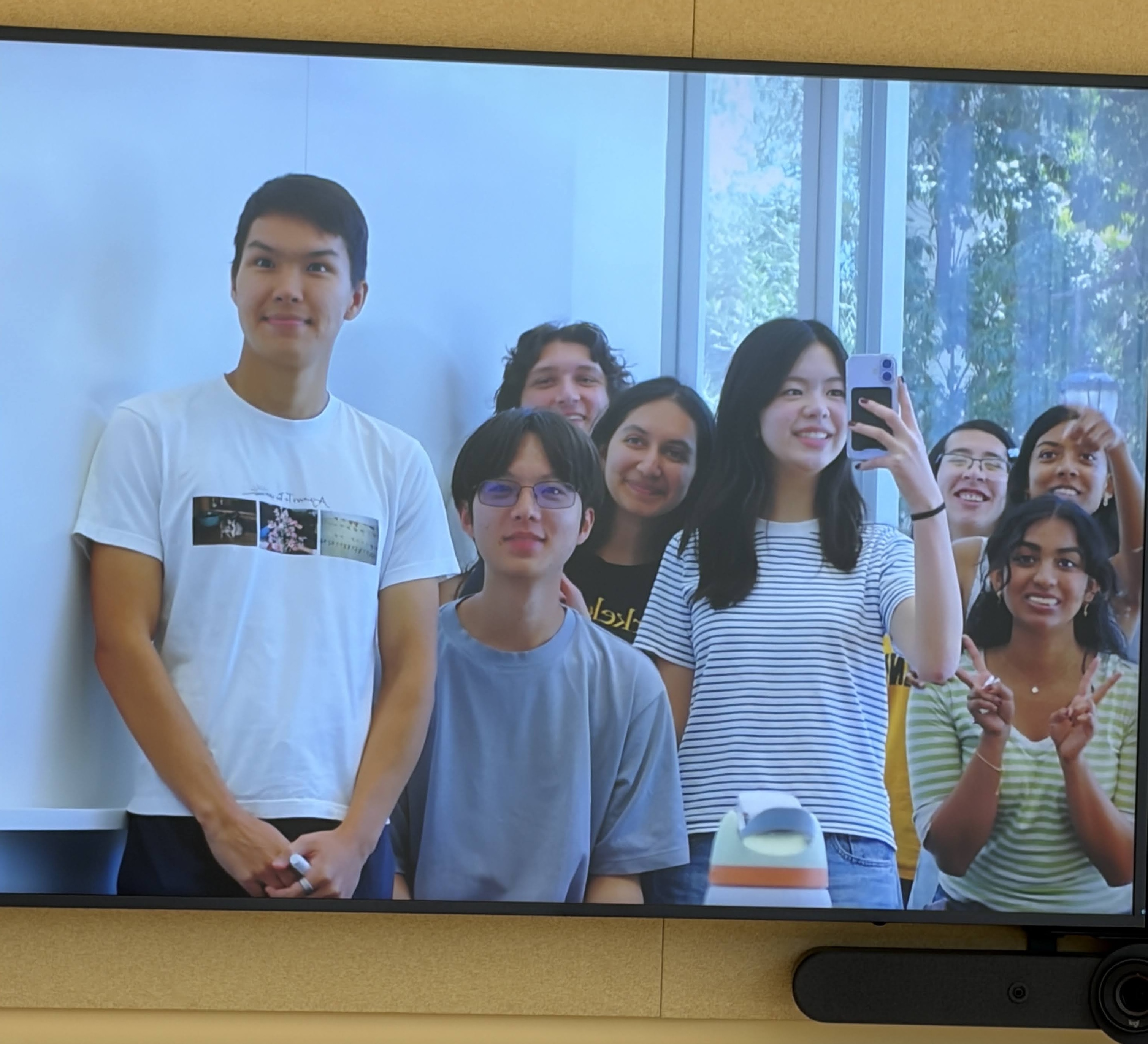
- My awesome course staff (pictured below during our last staff meeting), especially head TA Sriya Kalyan and admin TAs Emma Zhong and Amy Li
- My wonderful students, whose curiosity and resilience are why I teach